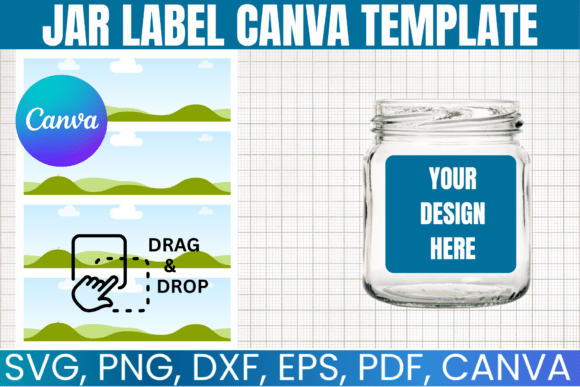
Jar Label Canva Editable Template
First Impression: Charming, Clean, and Craft-Ready
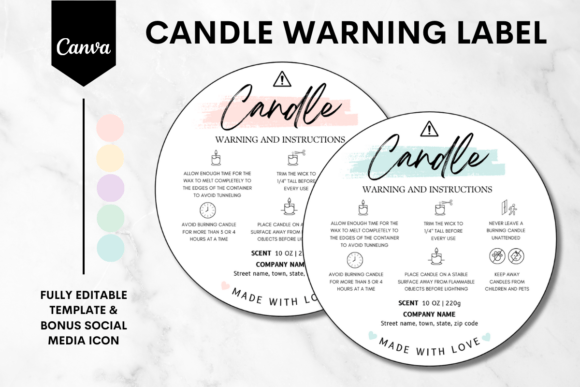
When I opened the Jar Label Canva Editable Template, I didn’t see just another sticker mockup—I saw a design with quiet intention. Rounded corners, balanced negative space, and a gentle typographic hierarchy give it warmth without fuss. It feels like something you’d hand-letter on a mason jar at a farmers’ market booth—not overdesigned, but thoughtfully composed. That’s rare in editable templates, especially ones built for quick customization. As an embroidery designer who’s stitched hundreds of labels onto tea towels, baby onesies, and boutique aprons, I immediately asked: Will this translate cleanly into thread? The answer isn’t automatic—but with smart adaptation, yes.
Where It Shines: Real Projects, Not Just Pixels
I tested the Jar Label Canva Editable Template as the foundation for a custom embroidered tote bag series—each labeled with a small-batch honey brand name, floral accent, and “Small Batch • Hand-Poured” tagline. Printed mockups looked lovely, but the real test came when I digitized a simplified version for machine embroidery. The template’s clean lines and generous spacing made digitizing intuitive: no frantic trimming of overlapping elements, no guessing where text ends and decoration begins. It worked beautifully as a machine embroidery design for a 3.5" hoop on linen-cotton blend totes—crisp satin stitch borders, legible running-stitch script, and subtle fill-stitch accents that held up after three rounds of washing.
It also translated well to baby embroidery projects: think organic cotton burp cloths or muslin napkin sets for a new mom’s registry. The rounded shape softened sharp edges, and the moderate detail level kept stitch density manageable—even on lightweight fabric. For Etsy sellers offering personalized gifts, the Jar Label Canva Editable Template is a smart starting point for branded packaging labels, embroidered spice jar tags, or mini-apron patches. Its visual personality leans handmade, not mass-produced—exactly what craft buyers respond to.
Where to Proceed With Care
This isn’t a one-size-fits-all embroidery file—and that’s okay. The original Canva template includes fine details (delicate flourishes, thin serifs, tight kerning) that won’t survive dense stitching on textured fabrics like terry cloth or fleece. On stretchy fabric like jersey sweatshirts, those same details can blur or distort unless stabilized aggressively. And on dark fabric? Small light-colored lettering may vanish without underlay or careful thread color contrast testing.
I’ve seen too many crafters rush into embroidering tiny corner motifs from editable graphics only to find them lost in the nap of canvas or swallowed by dense fill stitches. The Jar Label Canva Editable Template has charm in its subtlety—but that subtlety needs editing before stitching. Trim back ornamental swirls if your hoop size is under 4". Simplify script fonts into block lettering for caps or curved surfaces. Avoid using the full decorative border on thin fabric—it’ll pucker without heavy stabilizer support.
Practical Notes Every Embroidery Designer Should Check
- Test first on scrap fabric—especially with your intended stabilizer combo (cutaway for knits, tear-away for stable wovens).
- Review stitch density before finalizing: high-density areas near labels or borders can cause thread breakage or fabric distortion.
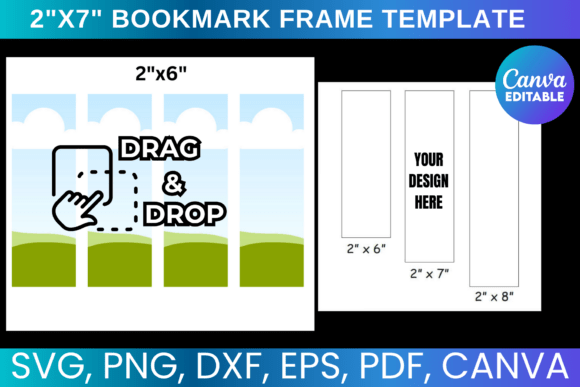
- Confirm hoop size compatibility: the template scales well in Canva, but embroidery digitizing requires fixed dimensions—don’t assume 5"x7" will fit without adjustment.
- Inspect small details at actual stitch scale—what looks elegant on screen may become muddy thread blobs at 2x zoom in your embroidery software.
- Check black-and-white mockups to assess contrast and clarity before committing to thread colors.
- Compare light and dark fabric backgrounds—some label layouts rely heavily on background contrast for readability.
- Use proper stabilizer: lightweight designs still need backing on unstable fabrics; skip it, and your finished product loses professionalism instantly.
- Verify licensing terms before selling finished items or digital products—if the Jar Label Canva Editable Template is licensed for commercial use, confirm whether resale of embroidered goods is included.
How It Shapes Perception—Beyond the Stitch
A well-executed label does more than identify contents—it builds trust. When customers see a crisp, cohesive embroidered patch on a kitchen towel or a neatly stitched label on a holiday gift set, they read “careful,” “intentional,” “handmade product.” The Jar Label Canva Editable Template supports that impression—if adapted thoughtfully. Its consistent proportions and balanced layout help maintain brand consistency across multiple items: a honey label on a jar, mirrored on a tote, echoed on a tea towel. That repetition strengthens recognition without feeling repetitive.
For small shop owners and Etsy sellers, this matters deeply. Buyers don’t just buy honey—they buy the story behind it. A strong visual anchor like this template helps tell that story consistently, even when stitched by different hands or machines. It elevates the finished product from “cute craft” to “considered creation.” And that shift directly impacts buyer engagement, repeat purchases, and word-of-mouth referrals.
Final Thought: A Tool, Not a Guarantee
The Jar Label Canva Editable Template isn’t magic—it’s a thoughtful starting point. It won’t digitize itself, stabilize your fabric, or choose the right thread colors. But in the hands of a designer who understands embroidery constraints and customer expectations, it becomes a reliable, adaptable asset. Whether you’re building a craft business, prepping for a holiday market, or designing a custom embroidered apron for a local café, this template earns its place in your toolkit—not because it’s flashy, but because it’s functional, flexible, and quietly professional.