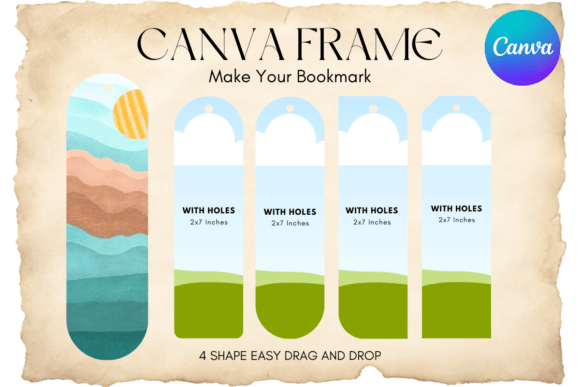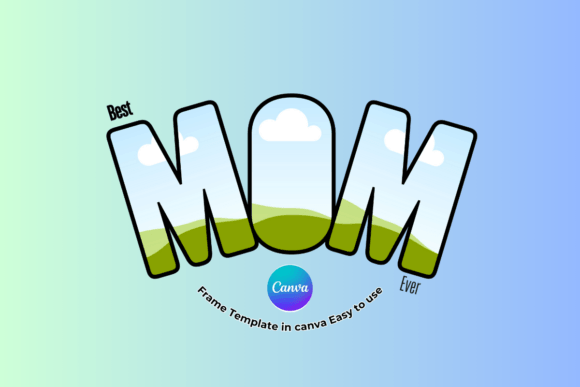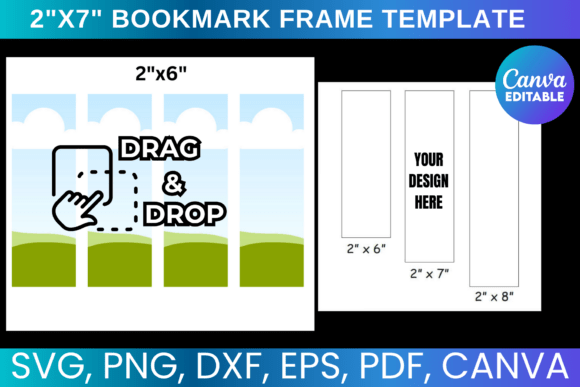
Canva Bookmark Template, Canva Editable
A Designer’s First Look: Clean, Quiet, and Full of Potential
When I opened the Canva Bookmark Template, Canva Editable, my first thought wasn’t “cute” or “trendy”—it was “usable.” That’s rare. Most digital bookmark templates lean hard into whimsy or over-decorated typography, but this one breathes. It’s got balanced negative space, a gentle vertical rhythm, and just enough visual weight to hold attention without shouting. As an embroidery designer who regularly translates flat graphics into stitched texture, I immediately saw how its clean lines and moderate detail level would translate across fabric—especially on lightweight cottons, linen tea towels, or baby onesies.
Real Project Test: Stitching It onto a Linen Kitchen Towel
Last week, I used a modified version of the Canva Bookmark Template, Canva Editable as the centerpiece for a small-batch linen kitchen towel series—meant for a local boutique’s holiday collection. I resized it to 3.2” tall, kept the original layout intact (no heavy cropping), and chose a soft satin stitch for the main text with a subtle running stitch border. The result? A finished product that felt intentional, not generic. Customers didn’t just see a “bookmark design”—they saw a quiet, thoughtful detail that elevated the whole item. That’s the quiet power of this template: it supports your brand voice instead of drowning it out.
Where It Shines in Embroidery Work
- Personalized gifts: Its editable nature makes it ideal for names, dates, or short quotes—perfect for baby embroidery, wedding favors, or teacher appreciation totes.
- Small business merchandise: Works beautifully on embroidered patches, aprons, and cap fronts when scaled down thoughtfully (more on sizing below).
- Etsy listings and craft fair products: The clean aesthetic reads well in printable mockups and digital previews—helping buyers imagine it on their own handmade product.
- Boutique branding: Paired with a custom monogram or subtle icon, it adds cohesion across tote bag designs, sweatshirt embroidery, and nursery decor.
Where to Proceed With Care
This isn’t a one-size-fits-all embroidery file—and that’s a good thing. Its strengths come with natural boundaries. Here’s where I pause before stitching:
- Hoop size & detail density: Don’t force it into a 2.5” hoop unless you’re willing to simplify corners and reduce letter height. Tiny serif details won’t resolve cleanly under dense fill stitch.
- Textured or stretchy fabrics: On terry cloth towels or ribbed knit sweatshirts, test stabilizer layers first. The design’s open layout can “sink” if backing isn’t firm enough.
- Dark or heavily printed backgrounds: The template assumes light contrast. On navy denim or charcoal fleece, check thread color contrast early—avoid pale pastels unless you’re adding underlay or shadow fill.
- Curved surfaces like caps: The vertical orientation works, but avoid placing near the bill seam. Distortion creeps in fast on tight curves.
- Frequent-wash items: If using for baby embroidery or kitchen linens, confirm stitch density isn’t so low that text edges fray over time. A light satin outline helps lock shape.
What It Adds to Your Finished Product—Beyond Stitching
The Canva Bookmark Template, Canva Editable doesn’t just sit on fabric—it shapes perception. When customers see its balanced proportions and refined spacing on a hand-stitched pillow cover or personalized gift tag, they register care, consistency, and intention. That builds trust faster than any marketing copy. For Etsy sellers and small shop owners, that quiet professionalism lifts perceived value—even on modestly priced items. And because it’s built for customization, it supports brand consistency across multiple product types: same core layout on a tote bag design, a baby onesie, and a holiday card insert feels unified, not repetitive.
Practical Notes Every Embroidery Designer Should Run Through
- Always test on scrap fabric first—especially if pairing with textured weaves or dark thread on light fabric.
- Review stitch density visually before sending to machine. Too sparse? Text blurs. Too dense? Fabric puckers and detail flattens.
- Confirm licensing terms before selling finished items or bundling the design into digital embroidery files for resale.
- Check how it renders in black-and-white mockups—many buyers preview digitally before purchasing. Clarity at small scale matters.
- Compare light vs. dark fabric backgrounds using simple overlays—not just Canva’s default preview.
- Use appropriate stabilizer: cutaway for knits, tear-away for stable wovens, and lightweight fusible for delicate linens.
- Ask yourself: does this support the product’s purpose? A bookmark-inspired design on a sweatshirt should feel like a nod—not a literal label.
Final Thought: A Thoughtful Tool, Not a Shortcut
The Canva Bookmark Template, Canva Editable isn’t magic. It won’t fix poor digitizing, bad fabric choice, or mismatched thread. But in the hands of a mindful designer—someone who tests, adjusts, and respects the limits of stitch and surface—it becomes a reliable starting point. It’s the kind of graphics asset that earns repeat use: not because it’s flashy, but because it leaves room for your voice, your client’s story, and the quiet pride of a well-made handmade product. Whether you’re prepping for craft fair season, building an Etsy shop’s signature look, or designing custom apparel for a local library’s fundraiser—this template holds its ground. Just remember: edit with purpose, stitch with intention, and always let the fabric guide the final decision.