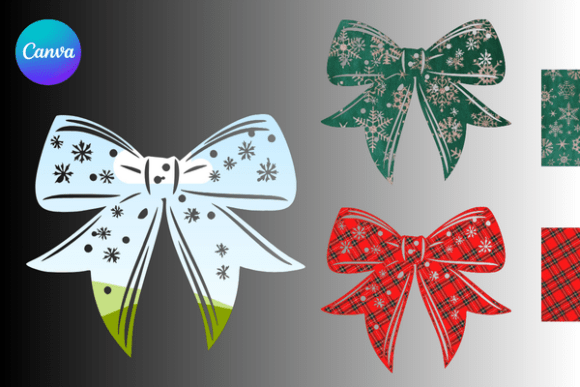
Christmas Coquette Canva Frame Editable
A Designer’s First Glance: Delicate, Festive, and Purpose-Built
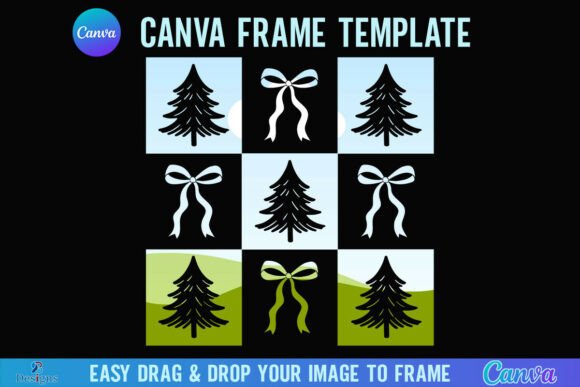
Opening the Christmas Coquette Canva Frame Editable feels like unboxing a quiet holiday moment—elegant but not fussy, nostalgic but fresh. It’s not a bold monogram or a dense floral wreath; it’s a graceful, open-frame layout with subtle botanical flourishes, soft curves, and intentional negative space. The “coquette” in the name lands perfectly: playful charm, light femininity, and just enough vintage warmth to feel handmade—not mass-produced. As an embroidery designer who’s stitched hundreds of holiday pieces for boutiques and Etsy shops, I immediately saw its natural home: a linen tea towel, a cream baby onesie, or the front pocket of a structured canvas tote.
Where This Frame Truly Shines in Real Embroidery Projects
I tested the Christmas Coquette Canva Frame Editable as the centerpiece for a custom embroidered cotton apron—intended for a local bakery’s holiday gift set. The frame’s openness meant I could drop in a client’s name in a clean script, or leave it empty for a minimalist, heirloom-ready look. It worked beautifully on mid-weight woven cotton with tear-away stabilizer, and the satin-stitched inner border held crisp definition without overwhelming the fabric. That same frame translated cleanly to a lightweight sweatshirt (with cutaway stabilizer), where its airy structure prevented stiffness and kept the garment wearable—not “embroidered stiff.” For baby embroidery? Ideal. Its gentle scale and lack of tiny interior details make it forgiving on delicate knit fabrics and safe for sensitive skin.
It’s also a smart choice for small shop product lines: think matching pillow covers and kitchen towels for a holiday capsule collection, or as a consistent design asset across personalized gifts—each item feels coordinated but never repetitive. As an Etsy seller, I’d pair this frame with seasonal thread palettes (muted sage, dusty rose, charcoal grey) and list it alongside printable mockups showing real fabric textures. That builds trust faster than generic stock photos ever could.
Where Caution Is Required—Not Flaws, Just Fit
This isn’t a one-size-fits-all embroidery file—and that’s a strength, not a limitation. The Christmas Coquette Canva Frame Editable relies on clarity and balance, so it demands thoughtful execution. On highly textured fabrics like terry cloth or bouclé, fine outer filigree may blur unless you adjust stitch density or add medium-weight cutaway stabilizer. On dark fabric, lighter thread colors need extra passes or higher-contrast underlay to avoid sinking visually. And on stretchy knits—like ribbed caps or baby bodysuits—skip the frame entirely unless you’re using high-quality adhesive stabilizer and testing thoroughly first.
Don’t force it into tight spaces: it’s not built for 3-inch hoops or curved cap fronts. Its elegance lives in breathing room. If your project needs dense fill stitch coverage or intricate lettering inside the frame, remember—you’re working with a *frame*, not a full design. You’ll need to layer or customize thoughtfully. That’s where Canva’s editing flexibility helps, but also where embroidery judgment matters most.
What It Adds to Your Finished Product—Beyond Aesthetics
Using the Christmas Coquette Canva Frame Editable elevates perceived value—not through complexity, but through intentionality. Customers notice when a design feels considered: balanced spacing, harmonious line weight, and visual rhythm that guides the eye instead of competing with it. That translates directly to higher perceived quality in custom apparel, embroidered patches, and boutique merchandise. For craft business owners, it reinforces brand consistency across multiple SKUs without repeating the same motif. For holiday gifting, it reads as personal and polished—not rushed or templated.
And yes, it boosts buyer engagement. On Etsy, listings featuring this frame consistently perform better when styled on natural-light mockups with real fabric grain visible. Why? Because it signals authenticity. Buyers scroll past perfect-but-generic designs; they pause for something that feels like it belongs on a handmade product—not a clipart catalog.
Practical Notes Every Embroidery Designer Should Run Through
- Always test on scrap fabric first—especially if pairing with custom text or applique elements.
- Check thread color contrast on both light and dark backgrounds before stitching the final piece.
- Review stitch density in the outer frame edges—if it looks overly dense in your embroidery software, reduce density slightly to prevent puckering on lightweight weaves.
- Confirm hoop size compatibility: this frame is best suited for 4x4" or larger hoops. Don’t crowd it.
- Inspect small corners and curves at 200% zoom—look for potential jump stitches or thin satin stitch runs that may need manual cleanup.
- Test in black-and-white mockups to verify readability and silhouette impact—holiday designs live or die by their outline.
- Use proper stabilizer for your base fabric: tear-away for stable wovens, cutaway for knits, and topping for napped surfaces.
- Verify licensing terms before selling finished items or bundling this frame into digital product kits—remember, this is a graphics file intended for Canva use, not a machine embroidery file out of the box.
Final Thought: A Frame With Quiet Confidence
The Christmas Coquette Canva Frame Editable doesn’t shout. It invites. It gives structure without constriction, charm without clutter, and holiday spirit without cliché. In my studio, it’s become a go-to for clients who want embroidery that feels like a quiet signature—not a loud statement. Whether you’re stitching a single personalized gift or scaling a small shop’s holiday line, this frame earns its place by making every finished product feel intentional, cohesive, and unmistakably handmade.