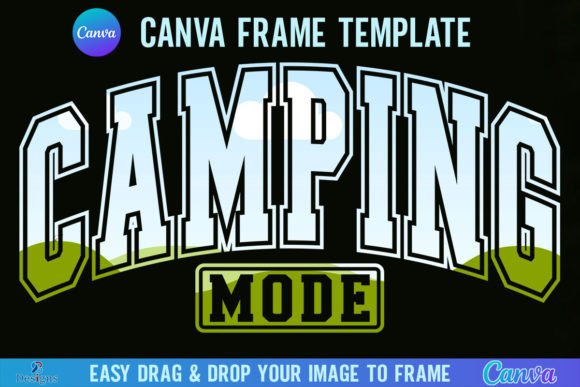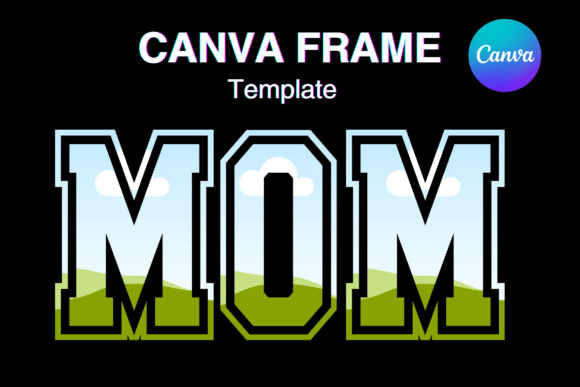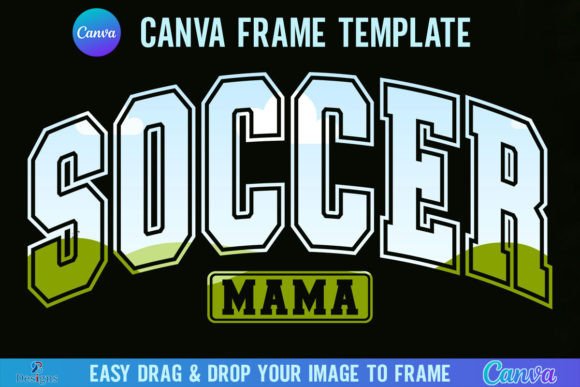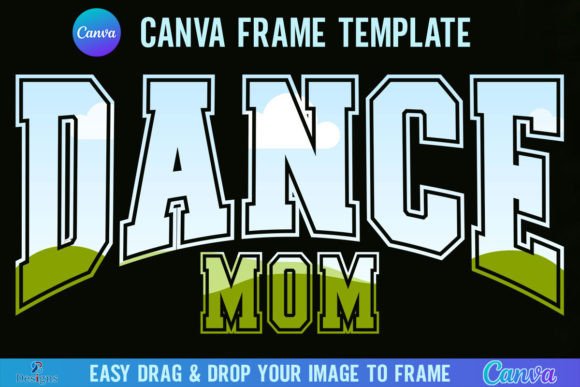
Brother Canva Frame Template Bro Varsity
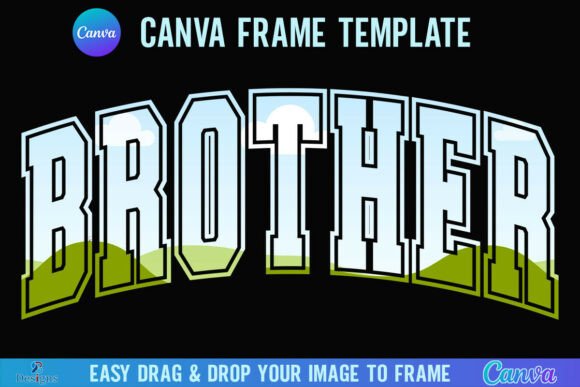
As a designer who’s stitched hundreds of client projects—from boutique baby onesies to Etsy-ready embroidered patches—I opened the Brother Canva Frame Template Bro Varsity expecting something clean, collegiate, and instantly recognizable. What I found wasn’t just a graphic—it was a visual anchor with strong stylistic intent. The frame layout leans into varsity energy: bold outer edges, balanced negative space, and a centered area clearly meant for personalization—names, initials, or small icons. It feels athletic but approachable, nostalgic but not dated. That matters when you’re building trust through handmade product presentation.
First Impressions Before the Needle Touches Fabric
The mood is confident, slightly sporty, and quietly refined—no over-the-top flourishes or cramped details. That’s a relief. Too many “varsity” templates go heavy on script fonts or tiny decorative elements that vanish under satin stitch. This one breathes. The frame’s proportions suggest it’ll scale well across hoop sizes without distortion, and its clean vector-like structure (as expected from Canva-based graphics) means crisp edges in digital mockups—and, crucially, in real-world stitch-outs.
I immediately pictured it on a heavyweight cotton tote bag for a local high school fundraiser: sturdy fabric, minimal stretch, room for a 5" x 7" hoop. The frame gives structure to the design while leaving breathing room for the embroidered name inside—no crowding, no visual competition. That balance is rare. It doesn’t shout; it presents.
Where It Shines in Real Embroidery Projects
The Brother Canva Frame Template Bro Varsity works best where clarity, branding, and subtle personality intersect. Think:
- Sweatshirt embroidery—the frame adds polish to a relaxed garment without overwhelming it;
- Embroidered patches—its defined border makes it ideal for heat-applied or sewn-on versions;
- Baby embroidery—on a onesie or burp cloth, the clean lines read as thoughtful, not loud;
- Holiday embroidery—swap in a snowflake or monogram for Christmas stockings or pillow covers;
- Small shop product—it elevates a plain tea towel or apron into something boutique-worthy.
For Etsy sellers and craft business owners, this isn’t just decoration—it’s a consistent design asset. You can use the same frame across multiple listings (tote + sweatshirt + cap), reinforcing brand recognition without repeating identical motifs. That cohesion builds customer trust faster than random designs ever could.
Where to Proceed With Care
Not every surface welcomes this frame equally. On curved surfaces like caps, test placement early—the top curve may clip corners if hooped too high. On thin or stretchy fabric, like lightweight tees or baby knit, stabilizer choice becomes non-negotiable. A tear-away alone won’t cut it; add a light cut-away or fusible backing to prevent puckering inside the frame’s outer band.
Also: avoid dense fill-stitch interiors unless your machine handles them smoothly. If you plan to add custom lettering or applique inside the frame, check how much clearance remains around tight corners. Some versions of these templates leave minimal margin—fine for print, risky for satin stitch buildup. And on dark fabric, verify thread color contrast *before* stitching. A light gray frame outline might disappear on navy unless you switch to white or metallic thread.
How It Shapes Perception of Your Finished Product
Handmade products live or die by perceived care—and the Brother Canva Frame Template Bro Varsity supports that perception. Its symmetry and proportion signal intentionality. Customers don’t see “template”; they see “designed.” That subtle lift in professionalism translates directly to willingness to pay premium pricing, especially for personalized gifts or wedding-related items (think: custom bridesmaid totes or groomsmen aprons).
It also streamlines your workflow. As a digital embroidery file used across projects, it cuts down on design-time guesswork. No redrawing borders. No second-guessing spacing. Just consistent, reliable structure—so you can focus on what makes each piece unique: the thread palette, the fabric choice, the personalization.
Practical Designer Notes Before You Stitch
Before committing to a client order or bulk production:
- Always run a test stitch on scrap fabric—same weight and weave as your final project;
- Check stitch density visually: does the outer frame feel solid but not overly thick? Does it lie flat?
- Review small details at actual size—especially inner corners and any text placeholders;
- Test it in black-and-white mockups to confirm legibility and contrast;
- Compare performance on both light and dark fabric backgrounds—not just digitally, but stitched;
- Use appropriate stabilizer for your fabric type and stitch count;
- Confirm whether the license permits commercial embroidery and resale of finished products—if you’re an Etsy seller or small shop owner, this is essential;
- Verify hoop size compatibility before digitizing or importing—some Canva graphics assume standard dimensions, but machines vary.
Since the product delivers via PDF link to Canva templates—not direct embroidery files—you’ll need to export or adapt for your machine format. That means extra attention to line weight, closed paths, and stitch-type assignment. Don’t assume what looks sharp on screen will translate cleanly to satin or fill stitch without review.
A Thoughtful Tool, Not a Shortcut
The Brother Canva Frame Template Bro Varsity isn’t magic. It won’t fix poor stabilizing or compensate for low-quality thread. But in skilled hands, it’s a smart, adaptable foundation—one that respects the craft behind embroidery while serving real business needs. Whether you’re prepping a holiday batch of embroidered kitchen towels or designing a cohesive line for your small shop, this frame offers consistency without rigidity. It leaves room for your voice, your colors, your story—framed, but never confined.