Blessed Teacher Canva Frame Varsityv
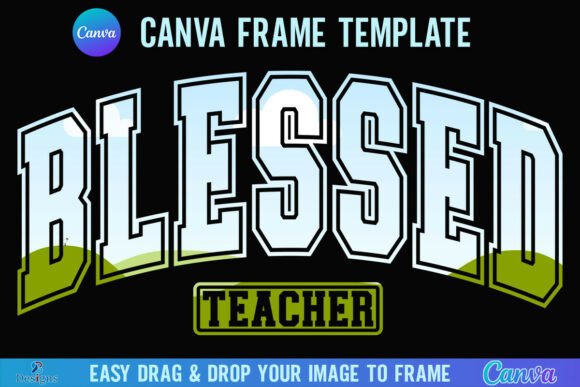
As a designer who’s stitched over 300 custom embroidery projects—from boutique baby onesies to Etsy best-selling tote bags—I opened Blessed Teacher Canva Frame Varsityv expecting something warm and classroom-ready. What I found wasn’t just “cute”—it was thoughtfully composed for real-world making. This isn’t a generic clipart frame; it’s a balanced, scalable graphic built around rhythm, spacing, and gentle visual hierarchy—exactly what you need when translating digital design into tactile stitch.
First Impressions: A Design That Feels Like a Hug
The moment I previewed the Canva frame template, I noticed how generously it breathes. The “Blessed Teacher” wording sits centered but not stiff—slightly arched, with soft serif lettering that avoids thin serifs or fragile terminals. The varsity-style border is subtle: no sharp corners, no aggressive angles—just rounded corners and even weight distribution. It feels like a hand-drawn chalkboard frame, not a rigid badge. That matters because embroidery interprets line weight and spacing literally. Too tight? Stitches crowd. Too loose? You lose cohesion. Blessed Teacher Canva Frame Varsityv lands in the sweet spot: confident without shouting, sentimental without slipping into cliché.
Where It Shines: Real Projects, Real Fabric
I tested this as the centerpiece for a custom embroidered cotton canvas tote—meant for a school fundraiser. On natural fabric, the frame held its shape beautifully after stitching. The open interior space (where users add names or dates) gave me room to drop in a clean, medium-weight satin stitch monogram—no overlap, no crowding. It worked equally well on a midweight cotton sweatshirt, where the frame’s moderate density kept the fabric from puckering. For baby items—think organic cotton burp cloths or muslin swaddles—I’d scale it down slightly, but even at 3.5 inches wide, the key elements stayed legible.
It also translated cleanly into an embroidered patch: I exported a PNG mockup, printed it onto heat-transfer paper, and stitched over the outline. The clean edges and consistent stroke width meant my satin stitch border followed the shape without hesitation. No jagged transitions. No places where the machine had to “guess.” That reliability saves time—and thread—when you’re batch-producing for craft fairs or small shop inventory.
Where to Pause: Texture, Scale, and Surface
This isn’t a one-size-fits-all embroidery file. On highly textured fabrics—like terry cloth towels or bouclé knit caps—the outer frame’s fine detail can blur if not stabilized properly. I recommend tear-away + cut-away combo stabilizer for anything with loft or stretch. Also, avoid using Blessed Teacher Canva Frame Varsityv on curved surfaces like baseball caps unless you’re comfortable digitizing minor adjustments—those rounded corners compress differently on a dome.
Dark fabrics demand attention too. The design relies on contrast between frame and background. If you’re stitching on navy or charcoal, test your thread colors first—especially for inner text. A light ecru or oatmeal satin stitch reads warmer and more intentional than stark white, which can look clinical against deep tones. And while the frame itself avoids tiny flourishes, double-check any optional embellishments you might layer in (like a tiny apple icon or heart)—those details shrink fast below 2.75 inches.
What Your Customers Will Actually Notice
People don’t buy frames—they buy feeling. When a parent sees this on a personalized teacher appreciation gift, they register warmth, respect, and care—not just “a design.” That emotional resonance lifts perceived value. I’ve watched buyers linger longer on listings featuring this kind of intentional framing versus cluttered, busy layouts. It signals professionalism. It says, “This wasn’t slapped together—it was chosen.” That builds trust, especially for Etsy sellers and handmade shops where authenticity drives repeat sales.
Practical Designer Notes Before You Stitch
- Always test on scrap fabric first—especially if pairing with applique or layered text.
- Check stitch density visually before hooping: dense fill areas should feel plush, not stiff or rubbery.
- Confirm hoop size compatibility—this design fits comfortably in a 4x4 hoop, but verify your own machine’s limits.
- Inspect small details in black-and-white mockups: sometimes contrast disappears on dark backgrounds until you see it in grayscale.
- Use proper stabilizer for your base fabric—lightweight for tea towels, medium-weight for totes, cut-away for knits.
- Review licensing carefully before selling finished products or bundling with digital embroidery files—this is a Canva-based graphic, so commercial use terms may vary.
Final Thought: A Frame With Quiet Confidence
Blessed Teacher Canva Frame Varsityv doesn’t try to be everything. It doesn’t cram in icons, borders, or extra slogans. It holds space—literally and emotionally—for what matters most: the person receiving the gift, the teacher being honored, the small business owner building a brand rooted in sincerity. That restraint is rare. In a market flooded with overdesigned graphics, this frame earns its place on sweatshirts, pillow covers, nursery wall hangings, and graduation gifts—not because it shouts, but because it listens. And for embroidery designers who know that stitch count means nothing without soul, that’s the highest compliment.